
Layers are one of the most requested adjustments in any cut consultation, and also one of the most loosely defined. A client who asks for layers and a stylist who asks which kind are often working from completely different mental images of the end result.
The most important thing to understand first: long and short layers do not describe the overall length of your hair. They describe the distance between the shortest and longest sections within the cut. Long layers keep that gap subtle and gradual. Short layers create a more pronounced difference, placing shorter sections higher on the head closer to the crown.
At David Ryan Salon, our stylists at Flower Mound and Trophy Club work through three decision points at every layering consultation: hair texture, face shape, and lifestyle. Here is how each one shapes the recommendation.
What Long Layers Actually Do
Long layers distribute weight gently and evenly throughout the hair. The difference between the shortest and longest sections is measured in several inches rather than one or two, creating a gradual transition that allows the hair to move naturally and fall into soft, flowing shapes.
This makes long layers particularly effective for thick and heavy hair that needs weight removed without dramatically changing the silhouette. The layers reduce bulk through the mid-lengths and ends while leaving the overall shape intact.
Long layers also suit wavy and curly hair well. They allow the natural texture to move freely without over-fragmenting the curl pattern or causing the ends to frizz by removing too much weight at once. The hair falls into its natural movement rather than fighting against a structure that is working against it.
What long layers do not do well is add volume at the crown. If a client’s primary concern is flat roots or a lack of lift at the top of the head, long layers placed through the mid-lengths and ends will not address that. The issue sits higher up than where the layers are working.
What Short Layers Actually Do
Short layers place the shortest sections closer to the crown, creating a more pronounced difference in length between the top and bottom of the cut. This builds internal structure and introduces lift at the root, making the hair appear fuller and more voluminous at the top of the head.
Fine, flat hair responds well to short layers for exactly this reason. The shorter sections at the crown push upward and outward, creating volume that long layers simply cannot produce in the same location. Short layers give thin hair something to work with during styling.
The trade-off is at the ends. Short layers remove more length from the mid-sections to create the structure at the top, which can make the ends appear thinner or wispier. On hair that is already lacking density, over-layering with short sections can strip the ends of the weight they need to look full and healthy.
Short layers also hold their shape better between appointments. The defined internal structure stays recognizable as the hair grows, which is useful for clients who want a consistent silhouette rather than a relaxed, grown-out feel.
Hair Texture: The First Decision Point
Texture is the variable that matters most before face shape or lifestyle enters the conversation. It determines not only which layer type will perform best, but also whether layers are even the right approach at all.
Fine, Straight Hair
Fine straight hair is the strongest candidate for short layers. Without natural texture or density to create volume on its own, this hair type relies on the structure of the cut to produce lift. Short layers at the crown give fine hair the separation and internal movement it cannot generate from texture alone.
The caution is to avoid over-layering the ends. Fine hair needs some weight at the tips to look full. Removing too much through heavy layering below the chin leaves the ends appearing stringy, particularly when the hair is worn straight.
Thick, Straight Hair
Thick straight hair is the opposite situation. It already has volume and weight, often too much of both. Long layers are the right tool here: they remove bulk through the mid-lengths without disrupting the shape, and they allow the hair to move rather than sitting in a solid, heavy mass.
Short layers on thick straight hair can create unintended width at the crown, making the head appear wider than it should. The goal is to reduce, not add.
Wavy Hair
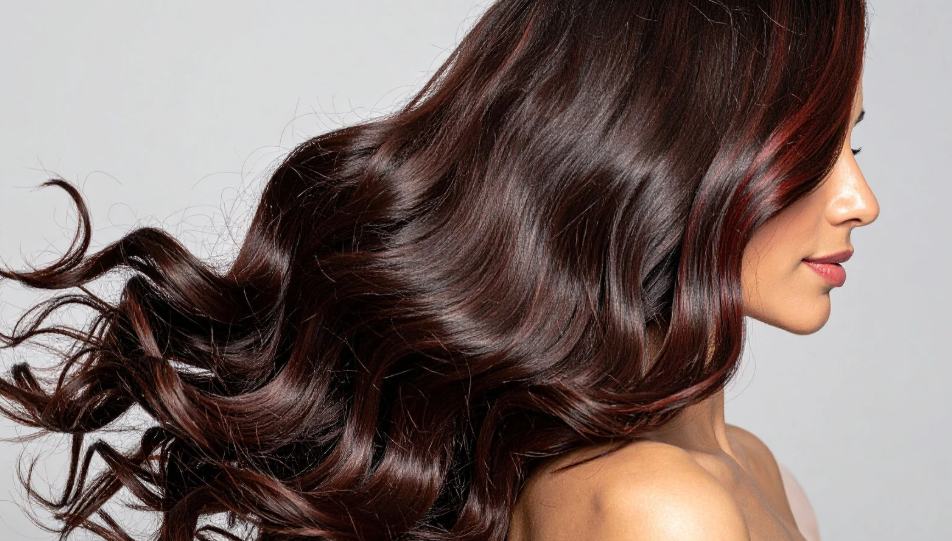
Wavy hair sits between the two extremes and can carry either layer type depending on what the client wants the wave to do. Long layers let the wave pattern express itself fully through the length, producing a soft, flowing look. Short layers add more structure and bounce at the top but require careful attention to how the wave behaves as it dries, since the shorter sections can spring up unpredictably.
For most wavy-haired clients, long layers through the mid-lengths combined with light short layers at the crown is the most reliable approach.
Curly Hair
Curly hair benefits from long layers that reduce weight without fragmenting the curl pattern. Heavy, unlayered curly hair tends to become bottom-heavy and pyramid-shaped. Long layers help remove that excess weight and encourage the curl to spring upward rather than pulling straight down.
Short layers in curly hair require a careful hand. Cutting too short within a curl pattern can cause sections to spring up dramatically and create an unintended mushroom shape. Dry cutting, where the stylist cuts the hair in its natural curly state rather than wet, produces the most accurate result.
Face Shape: The Second Decision Point
Layers do not work independently of the face. Where they are placed and how long or short they run changes the proportions of the face in ways that can either enhance or work against the face’s natural shape. For a full breakdown of which cuts and layers suit each face shape, see our guide on hairstyles for your face shape.
Round Face
Long layers are the stronger choice for round faces because they draw the eye downward and create a vertical line that reduces the impression of width. Face-framing long layers that begin at or below the chin elongate the face and produce the visual contrast a round face shape benefits from most.
Short layers concentrated at the crown can add width to the sides of the head, which amplifies the roundness rather than offsetting it. If short layers are needed for volume, they should be placed at the very top of the crown rather than distributed broadly through the sides.
Square Face
Square faces benefit from soft layering that introduces curves and movement around the jaw, offsetting the angular quality of the bone structure. Long layers that move through the mid-lengths and frame the face gently are effective here.
Short layers placed too close to the jaw can mirror the jaw’s horizontal line and reinforce its width. The goal is movement and softness, not definition at the jaw.
Heart Face
Heart-shaped faces are widest at the forehead and narrow toward the chin. Long layers that add volume at the jaw and collarbone balance the proportions by widening the lower half of the face visually. Layers that begin at or below the cheekbone are most effective.
Short layers at the crown can amplify the forehead’s width. For heart-shaped faces, keeping the crown relatively flat and using the layer placement through the mid-lengths to add width lower on the face is the more flattering approach.
Oval Face
Oval faces are the most flexible. Both long and short layers work, and the decision comes down to texture and lifestyle rather than face shape correction. Most layering techniques flatter an oval face without adjustment.
Oblong Face
Oblong faces are longer than they are wide. Short layers that add volume at the sides and crown reduce the impression of length and create width that brings the face closer to a balanced proportion. Long layers that fall straight down can extend the face’s vertical line further.
Lifestyle: The Third Decision Point

Texture and face shape tell the stylist what will work structurally. Lifestyle tells them what will work in practice for the person sitting in the chair.
Short layers require more active styling to look their best. The volume and structure they create at the crown are most visible when the hair is blow-dried with a round brush or diffused with some lift at the root. A client who air-dries and uses minimal products will not see the same result from short layers as one who spends ten to fifteen minutes with a dryer each morning.
Long layers are more forgiving for low-effort routines. The gradual weight distribution and soft movement read well even when the hair is left to dry naturally. They also grow out more subtly, which means the time between appointments can stretch without the cut looking overgrown.
Clients who wear their hair up frequently should also consider how each layer type behaves in a ponytail or bun. Short layers at the crown create flyaways and shorter pieces that escape from ties. Long layers sit smoothly when hair is gathered and pull back cleanly. For clients whose hair is up more often than down, long layers are typically the more practical recommendation.
Maintenance cadence is another practical factor. Long layers can typically go eight to twelve weeks between trims before the shape starts to lose its intention. Short layers, particularly those concentrated at the crown, often need attention every six to eight weeks to keep the volume and structure looking deliberate.
When Stylists Recommend Both
The long versus short framing can imply that a cut must be one or the other. In practice, the most common recommendation combines elements of both.
A typical combination cut places short layers at the crown to build lift and volume at the top of the head, then transitions into long layers through the mid-lengths and ends to preserve movement and length. This approach gives fine hair the crown volume it needs without stripping the ends of weight. It gives thick hair movement through the lengths without adding bulk at the top.
Face-framing layers are another common hybrid. These are shorter layers placed specifically around the face, starting at the cheekbone or chin, that blend into longer layers through the rest of the cut. The shorter pieces frame the features without committing the entire head to a short-layer structure.
For most clients, the question is not really long versus short but rather where the shorter sections should start and how dramatic the transition should be. That is the conversation that happens during a consultation at our hair cuts and treatments appointments, where the stylist assesses texture, face shape, and routine before a single decision is made.
Layers also pair naturally with color. Balayage and dimensional highlights interact with layers in ways that enhance the movement and separation the cut creates, and a colorist can use placement to reinforce what the layers are doing structurally. If you are considering both a layer change and a color update, planning them together at the same consultation produces a more cohesive result.
For clients with color-treated or chemically processed hair, a regular deep conditioning treatment helps maintain the health of the ends, which is particularly important when layers are placed through the mid-lengths where processing damage tends to accumulate.
Frequently Asked Questions
Do long layers or short layers add more volume?
Short layers add more volume, specifically at the crown and top of the head. They place the shortest sections higher up, which creates lift at the root. Long layers reduce weight through the mid-lengths and ends but do not significantly increase crown volume. If volume at the top is the primary goal, short layers are the right tool.
Which is better for fine hair: long or short layers?
Short layers are generally better for fine hair because they build structure and lift at the crown that fine hair cannot produce on its own. The caution is to avoid over-layering the ends, which can make them appear even thinner. A combination cut with short layers at the crown and lighter layering through the lengths works well for most fine-haired clients.
Will layers make my thick hair look thinner?
Long layers through thick hair remove bulk and reduce weight without significantly changing the silhouette or thinning the ends. The result is hair that moves more freely and feels less heavy. Short layers on thick hair can sometimes create unwanted volume at the crown or sides, so the layer type and placement need to be matched to the specific texture.
Can I get layers if my hair is already short?
Yes, though the options are more limited. Short layers work well in short haircuts, adding texture and shape within the existing length. Long layers require enough overall length to create a gradual transition, so they are less effective on very short cuts. Your stylist will adjust the approach based on what length you are working with.
How often do I need to trim layered hair?
Long layers can go eight to twelve weeks between trims before the shape starts to lose definition. Short layers, particularly those at the crown, typically need attention every six to eight weeks to maintain the volume and structure they create. Face-framing layers also need regular attention since they grow out visibly around the most prominent part of the haircut.
Will layers work with my curly hair?
Yes, and they are often one of the most effective tools for managing curly hair. Long layers reduce the bottom-heavy weight that unlayered curly hair develops over time, allowing the curl to spring upward more freely. The key is working with a stylist experienced in curly cuts, ideally cutting the hair dry so the layer placement accounts for the natural curl contraction.
How do I ask my stylist for the right layers?
The most useful thing to bring is a reference photo showing the movement and volume level you want, not just the length. Tell your stylist where you feel your hair is heaviest, where you want more volume, and how much time you spend styling each day. That context, combined with their assessment of your texture and face shape, gives them everything they need to make a specific recommendation.
About David Ryan Salon
David Ryan Salon has served clients across North DFW since 2010, with full-service locations in Flower Mound and Trophy Club.
Founded by master stylist and educator David Ryan, the team specializes in precision cuts, custom color, and personalized styling for every hair type, face shape, and lifestyle. Every cut appointment begins with a thorough consultation because the right layer placement starts well before the scissors come out.
Book Your Cut Consultation at David Ryan Salon
Ready to find the right layers for your hair? Our team serves clients throughout the Flower Mound, Trophy Club, and northwest Fort Worth area from two full-service locations. Book at Flower Mound or Trophy Club by calling (972) 691-0022 or booking online through our website.