How to Choose Between Ombre and Balayage in Flower Mound
Ombre and balayage can both create lighter ends and a softer transition from your roots, but they describe different things. Ombre is a color effect: the hair moves from a darker shade into a lighter one. Balayage is a technique: your colorist paints selected sections to place brightness where it suits your hair. If you are choosing a new look in Flower Mound, understanding that difference can make your consultation more useful.
Neither option is automatically better or easier to maintain. Your starting color, previous treatments, desired contrast, and styling routine all affect the result. Here is how to compare the two before bringing your ideas to a stylist.
What Is Ombre Hair Color?
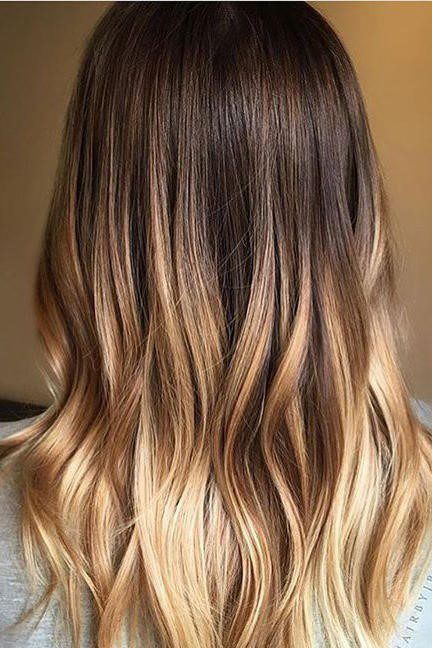
Ombre creates a gradient between darker roots or mid-lengths and lighter ends. The contrast can be subtle or noticeable depending on the shades chosen and how the transition is blended. It describes the finished look, not one fixed application method. A colorist may use different lightening and blending techniques to achieve it.
An ombre reference photo can be useful if you want most of the brightness concentrated toward the ends. Ask your stylist how that placement would look with your current haircut and natural texture. A gradient that is obvious on long, straight hair may read differently on shorter layers or curls.
What Is Balayage?
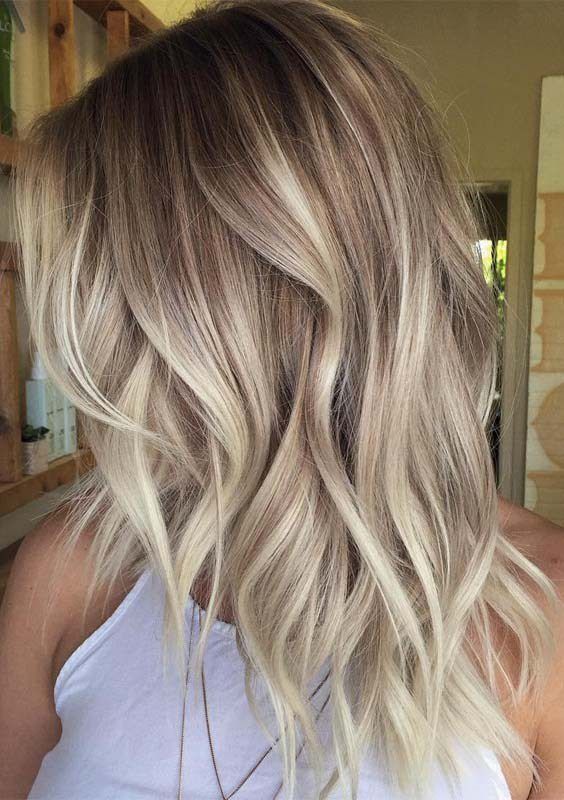
Balayage is a freehand color application technique used to create selected areas of lightness and dimension. Instead of making every section equally bright, the colorist places lightener to shape the overall effect. The result can be soft and understated or brighter and more defined, depending on your starting point and the plan you agree on.
Balayage is not a synonym for blonde, and it does not guarantee a particular shade in one visit. The same approach can be used to add warmth or dimension to darker hair. Your color history and the condition of your hair help determine how much lightening is appropriate.
How Do Ombre and Balayage Differ?
The simplest distinction is effect versus technique. Ombre describes a darker-to-lighter gradient, while balayage describes how color is applied. They are not opposites: a stylist can use hand-painted placement to help create an ombre effect. Bring photos rather than relying on the service name alone so you and your colorist can discuss the same result.
Compare where you want the lightness to sit. If you prefer darker roots with a clearer shift toward brighter ends, an ombre effect may match your reference. If you want ribbons of dimension through selected sections, balayage may be a useful starting point. Your stylist can explain how either idea would translate to your hair rather than promising an exact copy of someone else’s photo.
Which Option Fits Your Hair and Upkeep Routine?
Start with your current color and any previous dye, lightening, or chemical treatments. Tell your stylist about home color as well as salon work. Previously colored hair may need a different approach from untreated hair, and a significant change may require more than one appointment. The aim is to agree on a realistic result without pushing your hair beyond what its condition allows.
Then consider how you wear your hair most days. Show your stylist your natural texture and explain whether you usually air-dry, straighten, curl, or tie it back. Placement should work with that routine. Also discuss how much contrast you want around your face and whether you prefer a subtle change or a more noticeable shift.
Finally, ask what upkeep would look like for the specific shade and placement you choose. A darker root can make regrowth less obvious, but lighter ends can still need toning, conditioning, and trims. Neither ombre nor balayage is maintenance-free. Your colorist can recommend a return schedule based on the work performed and how you want the color to look between visits.
What Should You Ask at Your Color Consultation?
Bring a few photos you like and, if possible, one that shows a result you want to avoid. Ask which parts of the look are achievable now, what may take additional visits, and how your existing color affects the plan. It is also worth asking how long to allow for your appointment and what home care your stylist recommends.
If you are exploring hand-painted color, learn more about our balayage and blonding services. That service page explains the salon’s balayage options; this comparison is here to help you describe the finish you want. A consultation brings those two pieces together so you can choose an approach with your stylist.
Plan Your Next Color Appointment in Flower Mound
Ready to talk through your next look? Visit David Ryan Salon at 4151 Cross Timbers Rd. Suite 150, Flower Mound, TX 75028, call (972) 691-0022, or book a consultation online. If Trophy Club is closer, explore our Trophy Club salon before booking. Our two physical salons are in Flower Mound and Trophy Club, and your color consultation can help you decide which look fits your hair and routine.