
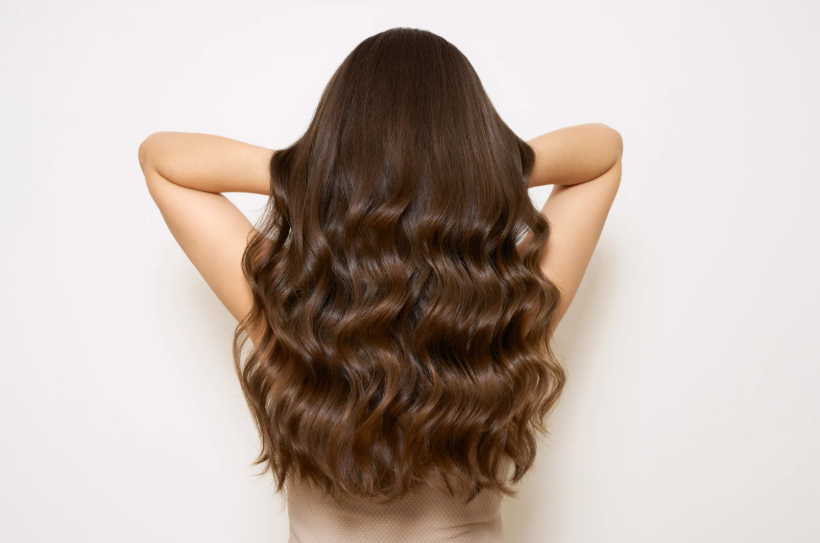
Walk into any busy salon on a Saturday morning and you will find that the majority of the color chairs are occupied by clients getting a single process service. It is not the flashiest item on the color menu, but it is the one that keeps more clients coming back consistently than any other. The name describes exactly what it is: a color service completed in one step, with one formula applied to the hair and processed once. No bleach first, no second formula on top, no multi-stage development. One step, one result.
Despite being the most commonly booked color service at most salons, single process is also one of the most misunderstood. Clients often assume it means a simple root touch-up, or that it is only used for going darker. In reality, single process color covers a broad range of goals and formulas, and understanding exactly what it can and cannot achieve helps clients walk into the consultation knowing what questions to ask.
The colorists at David Ryan Salon at our Flower Mound and Trophy Club locations break down the service below: what it involves, what it accomplishes, how it differs from other color options, and how to know whether it is the right fit for your hair and your goals.
What Single Process Color Actually Is
Single process color is any color service in which one formula is applied to the hair and processed a single time. The formula can be a permanent color, a demi-permanent color, or in some definitions a semi-permanent gloss, depending on the salon and the service being offered. The common thread across all versions is the one-step application: the color goes on, develops, gets rinsed out, and the service is complete.
Permanent single process color opens the hair cuticle using an alkaline agent, typically ammonia or an ammonia-free alternative, deposits new pigment molecules inside the cortex, and seals them in as the hair processes. Because the color penetrates the shaft rather than sitting on the outside, it is resistant to washing out gradually the way a semi-permanent product is. The result lasts until the hair grows out, making it the standard choice for clients who need full gray coverage or a definitive, lasting color change.
Demi-permanent single process color works similarly but without the cuticle-lifting chemistry of a full permanent formula. It deposits color onto and slightly into the hair without a significant lightening action, which means the result is richer and shinier than what a semi-permanent product produces but fades more gradually over several weeks rather than growing out with a sharp line of demarcation. Demi-permanent formulas are often used for tone refreshing, blending early gray, or adding depth and warmth to already-colored hair without committing to a fully permanent change.
What makes a service a single process is not the formula type but the number of steps. If the colorist applies one formula, processes it once, and rinses, it is single process. If a second formula follows, whether a toner, a gloss, a second color, or a bleach application, it becomes a double process service.
What Happens During a Single Process Color Appointment
Every single process appointment at David Ryan Salon begins with a consultation. The colorist assesses the hair’s current condition, porosity, and existing color history before formulating. The starting condition of the hair matters significantly to a single process result: hair that has been repeatedly colored or chemically processed absorbs formula differently than virgin hair, and the formula needs to be adjusted accordingly to produce an even, accurate result.
Once the formula is confirmed, application begins. For a root touch-up, the color is applied only to the new growth at the scalp, avoiding the already-processed mid-lengths and ends. This approach limits chemical exposure to the hair that needs it rather than re-processing strands that were already colored at the previous appointment. For an all-over color service, the formula is applied from roots to ends, which is standard for first-time color clients or for clients who want to refresh the full length.
Processing time runs between 30 and 45 minutes for most permanent formulas, though this varies depending on the specific formula, the target shade, and the hair’s starting color. The colorist monitors development to ensure the color reaches but does not exceed the intended result. After rinsing, a conditioning treatment is often applied to close the cuticle and restore softness, followed by styling.
The full appointment time from consultation to finished style typically runs 60 to 90 minutes for a root touch-up and up to two hours for an all-over color service on longer or denser hair. This is considerably faster than highlight services or double process work, which is one of the practical reasons single process color suits clients with busy schedules.
What Single Process Color Is Best For
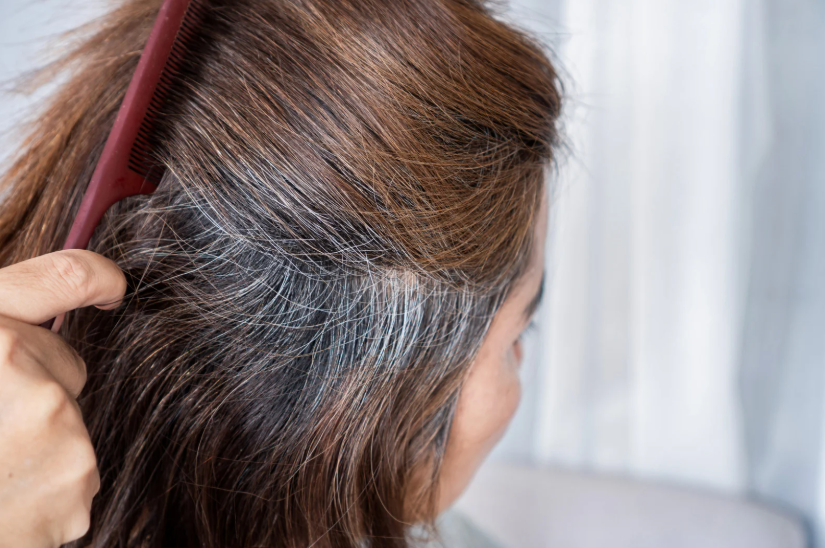
Gray Coverage
This is the most common reason clients book a single process service, and it is where permanent single process color performs most reliably. Gray hair lacks pigment and can be resistant to absorbing dye, particularly when the cuticle has thickened with age. Permanent color, which opens the cuticle and deposits pigment inside the shaft, provides the most complete and longest-lasting coverage for resistant gray. For clients with early or scattered gray who want a more blended result that grows out gradually, a demi-permanent formula can blend the gray with the surrounding natural color without producing a hard line as it fades.
All-Over Color Change
Single process is the right service for clients who want to change their base color uniformly across the full head, whether going darker, richer, or slightly lighter. A permanent formula can lift the hair up to two shades from its current color without pre-lightening, which means going from a medium brown to a light golden brown is achievable in a single step. Significant lift, such as going from dark brown to blonde, requires bleach first and therefore moves into double process territory. But for more moderate color changes within a few shades of the current base, single process delivers a clean, even result efficiently.
Root Touch-Ups
For clients maintaining an existing color, a root touch-up is the most routine single process service. The formula is matched to the existing mid-length and end color, applied only to the new growth, and processed to blend the regrowth seamlessly with the rest of the hair. This is the fastest and most cost-effective way to maintain a color result between full appointments, and it is the service most commonly added onto a trim for clients who are simply keeping their current look fresh.
Tone Enrichment and Refresh
Clients who are not looking to change their color dramatically but want to deepen, warm up, or refresh a faded result can use a demi-permanent single process service to accomplish exactly that. This is common for clients whose existing color has become brassy or flat over time, or for clients coming in mid-cycle between highlight appointments who want their base color to look more vibrant without adding highlights. The demi formula enriches the tone and adds shine without committing to a permanent change, and it grows out with very little visible demarcation.
Single Process vs Double Process: Where the Line Is
The defining difference between a single and a double process is not the complexity of the result but the number of applications involved in achieving it. A double process service applies two separate formulas in sequence: bleach or lightener first, followed by a toner, gloss, or color formula after the first step is rinsed. The bleach is what triggers the second step, because it lifts the hair to a level where a toner or color must be applied to achieve the intended final tone.
The most common double process scenarios are going significantly lighter than the current base color, achieving a bright or platinum blonde from a medium or dark starting point, going from a previous all-over color to a significantly lighter shade, and achieving fashion colors such as vivid reds, pastels, or other non-natural tones that require a light canvas to show up correctly.
If your goal falls within two shades of your current base and does not require bleach to achieve, single process is almost certainly the right service. If your goal requires significant lift, involves a color that will not show on your current shade, or requires a toner to correct after bleaching, a double process is the appropriate approach. A consultation with one of our stylists is the most reliable way to determine which category your goal falls into, because the starting condition of the hair significantly affects what is achievable in a single step.
Single Process vs Highlights: Understanding the Difference in What You Get
Single process color and highlights serve fundamentally different goals, and understanding the distinction helps clients ask for the right service rather than defaulting to one because it is more familiar.
Single process color produces a uniform base: one tone distributed evenly throughout the hair. This is its primary strength. If the goal is complete gray coverage, a clean color change, or a consistent base that eliminates variation from root to end, single process is the appropriate service. It produces predictability and coverage that a highlight service cannot replicate, because highlights intentionally leave sections of the hair at their natural or existing color.
Highlights, by contrast, produce dimension and contrast by lightening selected sections of the hair while leaving the rest at the base color. The result is multi-tonal rather than uniform. Highlights do not provide gray coverage across the head because sections between the foils remain at the natural color, including any gray in those sections. For clients with moderate to heavy gray coverage needs, highlights alone are typically insufficient. For a full comparison of partial and full highlight options, see our post on partial vs full highlights.
Many clients combine both services: a single process base color to cover gray and establish an even foundation, followed by highlights to add dimension and brightness on top. This combination, sometimes called a base color with highlights or a color and highlights appointment, is common for clients who want the uniformity of a solid base alongside the vibrancy of lighter pieces. The single process goes on first, the highlights follow, and the result delivers both coverage and dimension. Our hair color services menu includes combination appointments for exactly this reason.
For clients interested in a softer, more graduated approach to adding lighter tones without the structured placement of foil highlights, balayage is an alternative worth discussing with your colorist. Balayage applies lightener by hand rather than in foils, producing a softer grow-out and a less structured result, though it does not provide the same level of gray coverage as a single process base color.
Maintenance: How Often and What to Expect
Permanent Single Process
Permanent color produces a visible line of regrowth as the natural color grows in, because the lightened or darkened hair ends at the point where the scalp application stopped. For most clients, this regrowth becomes noticeable between four and six weeks after the appointment. Clients with faster hair growth or with a significant contrast between their natural color and their chosen shade may prefer to come in at the four-week mark. Clients with slower growth or a closer color-to-natural contrast can often stretch to six weeks comfortably.
Demi-Permanent Single Process
Demi-permanent formulas fade gradually over six to eight weeks rather than growing out with a defined line, because the color sits closer to the hair’s surface rather than being locked permanently into the cortex. This produces a softer transition as the treatment fades and makes the service suitable for clients who want a longer interval between appointments. The trade-off is that gray coverage with a demi formula is partial rather than complete, which works for clients with light to moderate gray but may be insufficient for those with heavy coverage needs.
Climate Considerations for North Texas Clients
Clients in the Flower Mound and Trophy Club area face seasonal conditions that affect how color holds between appointments. The intense UV exposure during North Texas summers is one of the fastest accelerators of color fade, particularly for warmer tones like reds, coppers, and rich browns. Sun exposure oxidizes the color molecules near the hair’s surface, which causes fading and can shift the tone toward brassiness before the next appointment. Using a color-protecting shampoo and conditioner, avoiding excess heat styling, and rinsing with cool water all help extend the result.
A professional deep conditioning treatment added onto a color appointment also supports longevity by sealing the cuticle after processing and restoring the moisture that the color formula removes. For clients who color regularly, incorporating a bond-building treatment like Olaplex into the service limits cumulative damage to the hair’s internal structure over time.
Is Single Process Color Right for You?
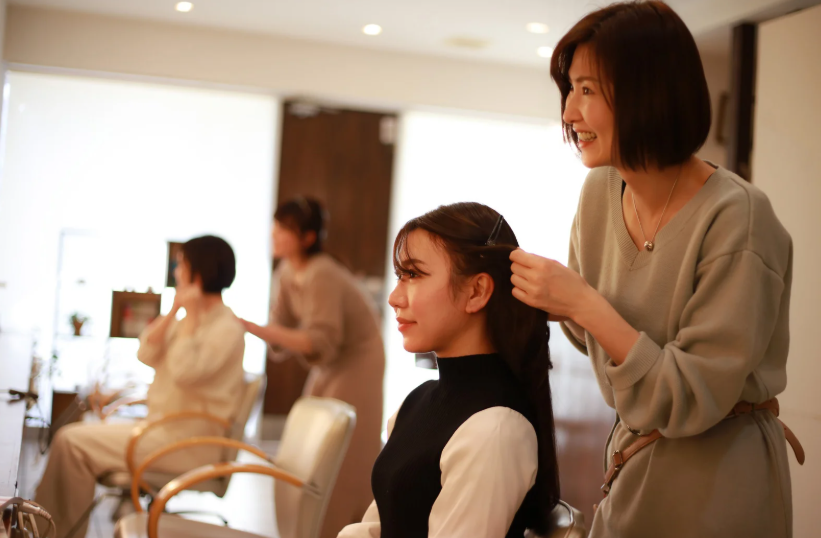
You are a first-time color client. Single process is the standard starting point for most first-time color clients because it establishes a clean, even base without the complexity or chemical load of a double process service. It also gives the colorist an accurate read of how your hair absorbs and responds to formula before planning future appointments.
You want to cover gray. Permanent single process is the most reliable service for achieving complete gray coverage, particularly for clients with resistant gray at the hairline or throughout the head. Demi-permanent single process is the right choice for clients who want to blend or soften early gray without committing to the full maintenance schedule of a permanent color.
You want to go darker or richer. Darkening the hair or shifting to a deeper, warmer, or more saturated version of the current color is one of the most natural single process applications. Darker colors require no pre-lightening and can be achieved in a single application across the full head.
You want to go significantly lighter. This is where single process reaches its limit. Permanent color can lift the hair up to approximately two levels without bleach, which is enough for subtle brightening but not enough for dramatic lightening. Going from a medium or dark brown to any shade of blonde, or achieving platinum, requires a double process involving bleach. A consultation is the only way to assess accurately how much lift your hair can achieve in a single step.
Your schedule is limited. A root touch-up is one of the fastest color appointments available, typically completed in under 90 minutes including styling. For clients who need to maintain their color but have limited time between appointments, a single process touch-up is often the most practical option on the service menu.
You are maintaining an existing color. Clients who have an established color they want to preserve rather than change are the core audience for single process touch-ups. The formula is matched to the existing result, applied to the new growth, and the appointment keeps the color looking consistent without re-processing already-colored hair unnecessarily.
Frequently Asked Questions
How long does a single process color appointment take?
A root touch-up typically runs 60 to 90 minutes from start to finish including processing time and styling. An all-over single process on longer or denser hair can take up to two hours. Both are faster than highlight services or double process appointments, which is one of the reasons single process is a popular choice for clients maintaining their color on a regular schedule.
Can single process color cover 100 percent gray hair?
Yes. Permanent single process color is formulated to provide complete gray coverage, including on resistant gray that has developed a thicker cuticle. The key is formula selection: the shade needs to be matched carefully to the intended result, and the formula needs sufficient processing time to penetrate resistant gray strands fully. Demi-permanent formulas blend gray rather than covering it completely, so they are better suited for clients with partial gray who want a gradual, softer result.
What is the difference between a single process and a root touch-up?
A root touch-up is a specific type of single process service in which the formula is applied only to the new growth at the scalp rather than from roots to ends. An all-over single process applies the formula throughout the full length of the hair. Both are single process services because only one formula is used in one application, but they differ in where the color is placed.
How long does single process color last before I need a touch-up?
Permanent single process color grows out rather than fading, so the schedule is driven by how fast your hair grows and how much contrast there is between your natural color and your chosen shade. Most clients return every four to six weeks. Demi-permanent single process fades over six to eight weeks with a softer grow-out line, which allows some clients to extend the interval between appointments.
Can I add highlights at the same appointment as a single process color?
Yes, and this is a common combination service. The single process base color goes on first to establish even coverage, and the highlights are applied after the base is processed and rinsed. The highlights then sit over the fresh base color rather than the pre-existing hair, which produces a cleaner and more controlled final result. Let your colorist know at the consultation that you want both services so the appointment is scheduled with sufficient time.
Is single process color damaging to my hair?
Single process color involves chemical processing, but it is generally less damaging than bleach-based services because it does not require lifting the hair significantly before depositing color. Permanent formulas open the cuticle to deposit pigment, which causes some structural change to the hair over repeated applications. Incorporating a bond-building treatment into the color service and using a sulfate-free, color-safe shampoo at home are the most effective ways to limit cumulative damage between appointments.
Can I go lighter with a single process color?
Single process permanent color can lift the hair up to approximately two levels lighter than its current shade without pre-lightening. This is enough for a subtle brightening, going from medium brown to light brown for example, but not enough for significant lightening like going to blonde. If your goal requires more than two levels of lift, a double process involving bleach followed by a toner is the appropriate approach.
About David Ryan Salon
David Ryan Salon has served clients across North DFW since 2010, with full-service locations in Flower Mound and Trophy Club. Founded by master stylist and educator David Ryan, the salon specializes in precision color work including single process color, highlights, balayage, and corrective services. Every color appointment begins with a thorough consultation so the formula, placement, and timing are right for your hair’s specific condition and your intended result. David Ryan Salon is here to help you get the color service that fits your hair, your schedule, and your life in North Texas.
Book Your Color Appointment at David Ryan Salon
Whether you are coming in for your first color service, need a root touch-up, or want to discuss the best approach for covering gray, our team is ready. We serve clients throughout the greater North DFW area from our Flower Mound and Trophy Club locations. Call us at (972) 691-0022 or book online through our website to schedule your consultation or next appointment.