
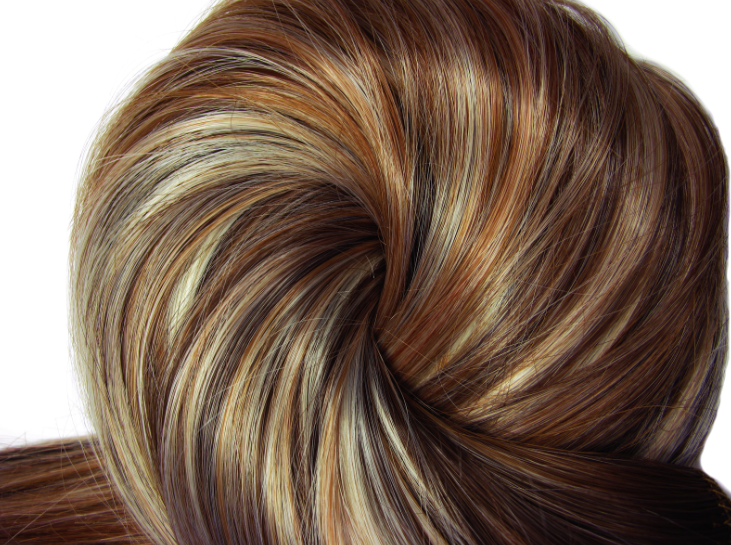
The moment a client sits down for a color consultation, one of the first questions that comes up is some version of the same thing: should I do partial highlights or full highlights? It sounds like a simple coverage question, but the right answer involves more than just how much lightening you want. It touches on how you wear your hair, how often you want to come back to the salon, how your hair has been treated before, and what the final result actually needs to look like.
The good news is that once you understand what each service actually does and does not cover, the decision becomes a lot more obvious. Below, the team at David Ryan Salon at our Flower Mound and Trophy Club locations breaks down exactly what separates a partial from a full highlight, what each one looks like from different angles, and the specific situations where our colorists recommend one over the other.
What Partial Highlights Actually Cover
A partial highlight service applies foils only to specific sections of the head. In most cases, that means the top layer of hair, the crown, and the pieces closest to the face. The hair underneath, the sides below the ear, and the nape of the neck are left at their natural or base color. Some salons define partials differently, including the front and sides up to the temples but nothing behind the ear. At David Ryan Salon, the exact placement is always discussed during the consultation so the client knows precisely what will and will not be lightened before the foils go in.
The practical implication is that a partial highlight result varies depending on how you wear your hair. When hair is worn down, the lightened top layer sits over the darker underneath, which creates a natural dimension and gives the impression of brightness without covering the entire head. The visible pieces around the face and at the crown catch the light, producing that sun-kissed, fresh-from-vacation effect that makes partial highlights one of the most consistently popular highlight options.
Where partial highlights behave differently is in two specific situations. If you frequently pull your hair back into a ponytail or a high bun, the sides and underneath of your hair become visible, which means the unlightened portions show clearly. If you switch your part from one side to the other, the same is true: the section of hair that was previously on the bottom, unlightened, is now exposed at the crown. These are not reasons to avoid partial highlights, but they are important to factor in when deciding whether partial coverage is enough for your lifestyle.
A partial highlight is also the right format for face-framing work specifically. When a client wants brightness only around the face, without any intention of lightening the crown or top layer broadly, some stylists describe that service as a face-frame or money-piece rather than a partial. Both are forms of partial coverage, but the placement is concentrated even further toward the hairline. This is one of the services our stylists see requested most often by clients who want their features brightened without committing to a more comprehensive color change.
What Full Highlights Actually Cover
A full highlight service places foils throughout the entire head, top to bottom. That includes the crown, the mid-lengths, the sides, the hair behind the ears, and the nape. The density of the foils and the placement pattern vary depending on the desired result, but the defining characteristic of a full highlight is that no section of the head is left unlightened. When you change your part, move your hair off your neck, or pull it into a ponytail, the distribution of lighter and darker pieces is consistent throughout rather than concentrated at the top.
This is what produces the all-over brightness that clients associate with a dramatic transformation. Full highlights are the right starting point when the goal is a significant color shift, such as going from a medium brown to a bright blonde, because you need the lightening distributed through every layer to avoid a two-tone appearance where the top is bright and the underneath stays dark. The result reads as more uniformly light, more polished, and more deliberately colored than a partial.
Full highlights are also the most reliable option for gray blending. Gray hair often grows concentrated around the hairline and part, but it can appear throughout the head as coverage increases. A partial highlight addresses gray only in the sections it covers, which can leave untreated gray visible at the sides and back of the head in a way that draws attention to the demarcation between covered and uncovered areas. A full highlight service treats the entire head, which means gray is blended consistently from every angle.
The trade-off for all-over coverage is maintenance. Because full highlights start at the root on every section of the head, the grow-out is visible across the entire perimeter of the hair rather than just at the crown. As the natural color comes in, the contrast between the root and the lightened sections is noticeable. Most clients with full highlights return for a touch-up every six to eight weeks, compared to the eight to twelve weeks that partial highlights typically allow.
The Maintenance Difference: How Often You Will Actually Need to Come Back
The grow-out difference between partial and full highlights is one of the most important practical distinctions between the two services, and it is driven by placement rather than by the volume of color used.
With partial highlights, the lightened pieces are concentrated at the top of the head and around the face. The hair underneath those sections grows in its natural color, but because the underneath was already unlightened, there is no stark contrast emerging at the sides or back as the hair grows. The visible grow-out is primarily at the part line and crown, and because the sections underneath provide a natural transition, the grow-out tends to read as softer. Most partial highlight clients find they can comfortably extend time between appointments to ten or twelve weeks, and some go even longer depending on how far they lightened from their natural base.
With full highlights, grow-out appears at the root across every section of the head simultaneously. The contrast between the natural root color and the lightened shaft is visible from the front, sides, and back. For clients who have gone several shades lighter than their natural color, this contrast can become noticeable within four to six weeks. The more dramatic the lift, the shorter the comfortable window between touch-ups.
One strategy our colorists suggest regularly is to start with a full highlight service to establish the initial brightness and distribution, then maintain that result with partial highlights at subsequent appointments. The partial touch-up focuses on the sections where the grow-out is most visible, which tends to be the crown and face-framing pieces, without re-processing the already-lightened underneath. This approach reduces cumulative damage, keeps maintenance costs lower over time, and still preserves the all-over lightness established by the initial full service.
Cost, Time, and Hair Health: The Practical Comparison
Time in the Chair
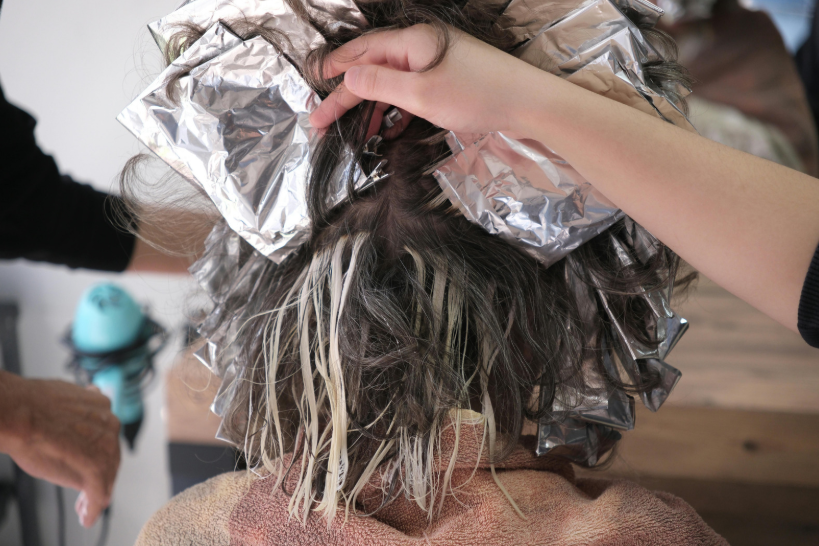
A partial highlight service typically takes between one and two hours from application to finished style. A full highlight service runs longer, generally two to three hours or more for longer or denser hair. Both services include processing time while the foils develop, plus the rinse, toner application if needed, and the blowout. If you are booking a full highlight as a first-time appointment or a significant change from your current color, adding a consultation beforehand ensures the appointment is planned correctly and no time is lost adjusting the approach mid-service.
Cost Difference
Full highlights require more product, more foils, and more of the stylist’s time, which makes them more expensive than partial highlights at the same salon. The gap varies by salon, stylist level, and hair length and density, but partial highlights are typically priced meaningfully lower than full highlights. That cost difference compounds across the year if the higher maintenance frequency of full highlights means you are coming in every six weeks instead of ten.
For clients on a tighter budget, partials offer a way to keep highlights in the hair without the full cost commitment of an all-over service. For clients who want maximum brightness and are starting from a darker base, a full highlight is often the only service that delivers the result they are looking for, and the cost reflects the level of work required to achieve it.
Hair Health and Cumulative Damage
Every highlight appointment processes the hair with a lightening formula, and repeated processing over time affects the hair’s internal structure. Partial highlights, because they cover a smaller surface area of the head, expose fewer strands to the lightener at each appointment. On subsequent partial touch-up appointments after an initial service, the foils are typically placed only on new growth rather than on previously lightened hair, which further reduces the cumulative chemical exposure to any single strand.
Full highlights cover the entire head, and if the foils are placed root to tip at every appointment, the previously lightened hair is processed again alongside the new growth. Over time and multiple sessions, this increases the risk of porosity, breakage, and color that absorbs unevenly. A skilled colorist manages this by focusing full highlight touch-ups on the root only rather than running the lightener from root to end on hair that was already lifted at the previous appointment.
For clients with bleach highlights or those who color regularly, a bond-building treatment added to the service is one of the most effective ways to limit cumulative damage. See our post on Olaplex for a full explanation of how bond builders work and why our colorists incorporate them into lightening services. Following a highlight appointment with a professional deep conditioning treatment also restores the moisture that the bleaching process removes and keeps the hair feeling soft and resilient between appointments.
Six Questions That Help You Decide
How much lighter do you want to go? If the goal is a subtle brightening effect, a few shades lighter than your natural color, partial highlights produce that result without overprocessing the entire head. If you want to go significantly lighter, four or more shades, a full highlight is usually necessary to achieve even, consistent coverage at that level of lift.
How do you typically wear your hair? If you almost always wear your hair down, the top layer is what is most visible, and partial highlights address exactly that zone. If you frequently pull your hair into a ponytail, a high bun, or a half-up style, the sides and underneath become visible regularly, and a full highlight ensures that no unlightened section creates a contrast against the lightened top.
Do you have gray hair you want to blend? Gray that is concentrated at the hairline and part line can be addressed with a partial. Gray that appears throughout the head, including at the sides and back, requires full coverage to blend consistently from every angle.
How often do you want to come back? If you prefer to stretch your appointments to ten to twelve weeks and accept a softer grow-out, partial highlights work well within that schedule. If you want the brightest, most uniform result and are comfortable returning every six to eight weeks to maintain it, full highlights are the better fit.
Is your hair currently in good condition? Hair that has been previously bleached, colored repeatedly, or is showing signs of damage may not be the best candidate for a full highlight at that appointment. Our colorists assess the hair’s porosity and integrity during the consultation and may recommend starting with a conditioning treatment or a partial service while the hair recovers, before committing to a full highlight.
Are you new to highlights? First-time highlight clients often benefit from starting with a partial service to see how their hair lifts and responds to the lightener before committing to full coverage. It also allows the colorist to assess the hair’s behavior and formulate the next appointment more precisely. Some clients discover that the partial result is exactly what they wanted all along.
When Our Stylists Suggest Using Both
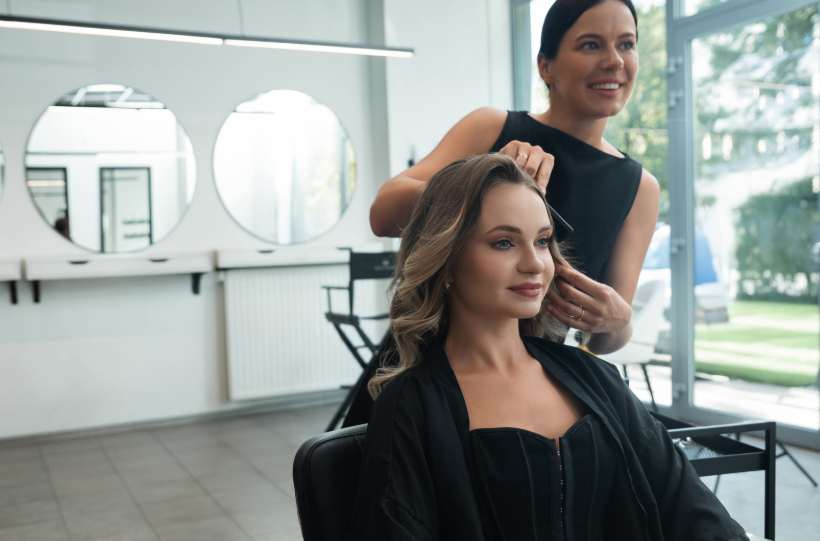
The partial versus full question is not always an either-or decision. For many clients in the Flower Mound and Trophy Club area, the most effective long-term strategy involves both services used strategically over the course of a year.
The most common version of this approach is to begin with a full highlight service that establishes even, all-over brightness throughout the head. At the next one or two appointments, the colorist maintains that result with partial touches that focus on the crown and face-framing pieces, where the grow-out is most visible, without re-processing the already-lightened underneath. This keeps the all-over look intact while reducing processing and cost at the maintenance appointments. When the underneath begins to look noticeably darker relative to the top, a full service is repeated to refresh the entire head.
For clients who are not trying to maintain a dramatically lighter overall color, a face-frame partial every few appointments is enough to keep the look fresh. The face-framing pieces, the strands closest to the hairline around the face and forehead, are what the eye catches most when looking at someone directly. Keeping those pieces bright while letting the rest of the hair stay at its natural or base color produces a flattering, low-maintenance result that photographs well and does not require frequent touch-ups.
The right combination and timing for any individual client depends on their starting color, how their hair has been treated, and the result they are maintaining. That is the kind of specific guidance our stylists work through at every consultation, and it is the reason that booking a consultation before a significant color appointment is always worth the time. Our hair color services menu includes both partial and full highlight options, as well as balayage for clients interested in a freehand alternative to traditional foil highlighting.
Frequently Asked Questions
Can partial highlights make dark hair look significantly lighter?
They can brighten the overall appearance of dark hair meaningfully, but the degree of lightening is limited by the fact that only the top layer and face-framing pieces are processed. If the goal is to go several shades lighter across the full head, a full highlight is the more appropriate service. Partial highlights on dark hair produce a natural dimension and brightness rather than an all-over blonde or dramatically lighter result.
Do partial highlights work if I have a lot of gray?
They work well for blending gray that is concentrated at the hairline and part, which is the most common growth pattern for early gray coverage. If gray has spread to the sides, back, or throughout the mid-lengths, partial highlights leave those areas untouched, which can create an uneven result. A full highlight is usually the better option once gray appears broadly across the head.
How long do full highlights take compared to partial highlights?
A partial highlight service typically takes one to two hours including processing, rinse, toner if needed, and styling. A full highlight generally runs two to three hours or more, depending on hair length and density. Both times can vary based on the number of foils placed and the technique used.
Can I switch from full highlights to partial highlights at my next appointment?
Yes, and this is a common approach. Many clients establish their initial color with a full service and then maintain it with partials at subsequent appointments. The partial touch-up focuses on the crown and face-framing grow-out, where the contrast is most visible, without re-processing the already-lightened sections underneath. When the overall color starts to look uneven or the underneath has grown in significantly, a full service is repeated.
Will highlights damage my hair?
Any lightening process involves some chemical processing, and repeated applications over time can affect the hair’s structure. The degree of impact depends on how much lift is needed, how frequently the hair is processed, and whether the previously lightened hair is re-processed at each appointment. Incorporating a bond-building treatment like Olaplex into the service and scheduling a deep conditioning treatment after highlighting significantly reduces cumulative damage and keeps the hair in better condition between appointments.
What is the difference between highlights and balayage?
Traditional highlights use aluminum foils to isolate strands and apply lightener precisely from root to tip, creating defined, structured pieces of light throughout the hair. Balayage is a freehand painting technique applied to the surface of the hair, typically starting mid-shaft rather than at the root, which produces a softer, more graduated result with a less defined grow-out line. Both can be done as a partial or full service. For a detailed breakdown, see our post comparing balayage and ombre.
How soon after highlights can I wash my hair?
Most stylists recommend waiting 48 to 72 hours after a highlight appointment before shampooing. This allows the toner to fully set and the cuticle to close, which helps the color last longer and reduces fading. When you do wash, using a sulfate-free, color-safe shampoo preserves the highlight color and extends the time between appointments.
About David Ryan Salon
David Ryan Salon has served clients across North DFW since 2010, with full-service locations in Flower Mound and Trophy Club. Founded by master stylist and educator David Ryan, the salon is known for precision color work including foil highlights, balayage, custom color, and corrective services. Every color appointment begins with a thorough consultation so clients leave with a clear plan, realistic expectations, and results that match their lifestyle. David Ryan Salon is here to help you find the right approach to highlights, whether that is partial, full, or a combination of both.
Book Your Highlight Consultation at David Ryan Salon
Not sure which highlight service fits your hair and your schedule? Our colorists are happy to walk you through it. We serve clients throughout the Flower Mound, Trophy Club, and greater North DFW area from two full-service locations. Call us at (972) 691-0022 or book online through our website to schedule your consultation or next color appointment.